







The ratings are close enough that they settle nothing. Harvey holds 4.3 out of 5 on G2, Legora 4.2, and LEGALFLY 4.7 on Capterra, so this compares them on workflow depth, security architecture, lifecycle coverage and ease of use instead.
We build legal AI software at LEGALFLY, so weigh the third column accordingly. Everything on Legora and Harvey comes from published product information and verified G2 and Capterra reviews, criticisms included.
Most teams using LEGALFLY cut their contract review time in half within a few weeks of onboarding. Book a short demo to see how it works for your business.
Key Takeaways (TL;DR)
Primary Difference: Legora and Harvey were built for the lawyer doing legal work, with research, drafting and document review at the centre. LEGALFLY is built for the in-house team running legal as a service to the business, with whole workflows, approvals and anonymisation underneath.
Best Overall Choice: LEGALFLY, for in-house legal, compliance and procurement teams in regulated enterprises. It automates the workflow around the legal work rather than the individual task, and it anonymises every document before analysis begins.
What Sets LEGALFLY Apart: Whole legal workflows run end to end, from intake through review and routing to approval, on documents that are anonymised before analysis begins, on an architecture designed before the current generation of models existed. Neither Legora nor Harvey replicates that combination.
Where Legora Is Strongest: Comparative document review and ease of adoption. Tabular Review organises documents into a structured grid so the same clause can be checked across many files at once, and reviewers are more consistent about the interface and a straightforward initial setup than either competitor's review base.
Where Harvey Is Strongest: Review at very large scale and legal research depth. Vault handles volumes neither competitor targets, with one reviewer describing up to 100,000 documents or 100 GB of data in a single pass, and Harvey carries the strongest brand recognition in the category.
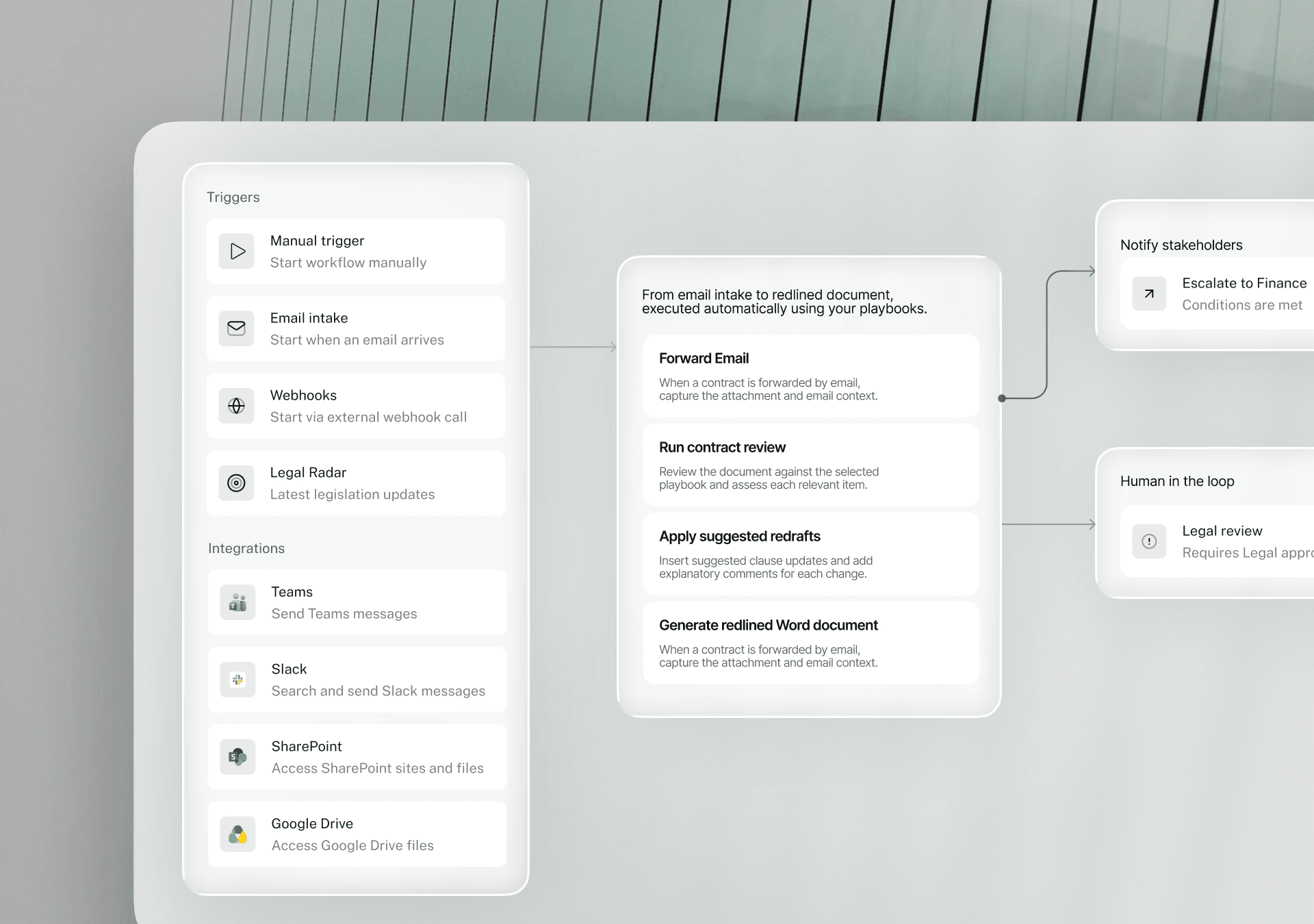
Where LEGALFLY Is Strongest: Whole workflows, security architecture and the contract's life after signature. Agent Studio chains agents with conditional routing, escalation thresholds and human sign-off triggered from email, Slack or Teams, every document is anonymised before analysis begins, and Legal Radar tests regulatory change against your own contracts across 130+ jurisdictions.
Legora vs Harvey vs LEGALFLY in 2026: At a Glance
Criteria | Legora | Harvey | LEGALFLY |
Best For | Law firms and legal teams wanting fast research and document review in a clean interface | Law firms and large legal functions wanting research depth and large-scale document review | In-house legal, compliance and procurement teams in regulated enterprises |
Key Features | Tabular Review, research, drafting, document analysis | Assistant, Vault for large-scale review, agent builder, drafting | Agent Studio workflows, anonymisation before analysis, Contract Intelligence, playbook review, Legal Radar |
Workflow Automation | ⭐⭐⭐ | ⭐⭐⭐ | ⭐⭐⭐⭐⭐ |
Security and Data Handling | ⭐⭐⭐ | ⭐⭐⭐ | ⭐⭐⭐⭐⭐ |
Ease of Use | ⭐⭐⭐⭐⭐ | ⭐⭐⭐ | ⭐⭐⭐⭐ |
Integrations | ⭐⭐⭐ | ⭐⭐⭐ | ⭐⭐⭐⭐⭐ |
Support | ⭐⭐⭐⭐ | ⭐⭐⭐⭐ | ⭐⭐⭐⭐ |
Overall Rating (based on G2 and Capterra reviews) | ⭐⭐⭐⭐ | ⭐⭐⭐⭐ | ⭐⭐⭐⭐⭐ |
Legora, Harvey and LEGALFLY: The Basics If You're New Around Here
What Are Legal AI Platforms?
Legal AI platforms apply large language models to legal work: reading contracts, answering questions against legal sources, drafting documents and reviewing large sets of files. They are used by law firms and by in-house legal teams, though those two buyers need different things from the same underlying capability.
The category has split along that line, which is why Harvey AI vs Legora is rarely the whole question. One group optimises for the lawyer producing legal work product, with research depth, citation quality and document analysis at the centre. The other optimises for the legal function as a service to the rest of the business, where the bottleneck is not writing the analysis but moving fifty requests through a small team.
The direction of travel is towards whole workflows rather than single tasks. Individual AI capabilities have commoditised quickly, so the competition has moved to what happens around them: routing, approvals, governance and the audit trail a regulated business needs.
What Is Legora?

Legora is an AI workspace for legal professionals, founded in Sweden in 2023 and originally launched as Leya before rebranding. It streamlines document review, research and drafting, with Tabular Review as its signature feature for organising documents into a structured grid for comparison.
The product is law-firm primary and genuinely end to end within that scope, and momentum in the category has been strong.
Reviewers describe the interface as the strongest thing about it. The G2 company profile carries 4.2 out of 5 across 18 reviews spanning both the Legora and legacy Leya listings, and the Capterra profile has no reviews yet.
What Is Harvey?

Harvey is a suite of AI products for legal practice areas, built around an Assistant for research and drafting and Vault for large-scale document review. It carries the most brand weight in the category and the dominant share of voice in conversations about legal AI.
Vault is the capability reviewers single out. One describes reviewing up to 100,000 documents or 100 GB of data in a single pass, which is a scale few competitors attempt.
In a Harvey vs Legora shortlist, Vault is usually the capability that separates them. G2's own summary of Harvey's review base notes that users praise the interface and the accuracy of its output on legal tasks, and appreciate the time it saves on research and document work.
What Is LEGALFLY?

LEGALFLY is the legal operating system for corporates, founded in Ghent in April 2023 by four former AI leaders at Tinder. It gives in-house teams AI-native workflows for intake, contract review, drafting, due diligence and legal research, with security and anonymisation underneath all of it.
The design assumption is different from the other two. Legal work arrives from procurement, sales, HR, claims and compliance, so the product is built to route and govern that flow rather than to make one lawyer faster at one document.
Customers include SAP, Lufthansa, Bosch and KPMG, alongside a partnership with the European Commission's HR Directorate-General. LEGALFLY holds 4.7 out of 5 across 8 Capterra reviews and 4.2 out of 5 across 3 G2 reviews, the smallest G2 base of the three.
Legora vs Harvey vs LEGALFLY: A Detailed Review & Comparison for 2026
Core Legal Work: Research, Drafting and Document Review
Legora
Legora handles the daily legal tasks well, and its reviewers are consistent about it. They describe processing large volumes of legal information quickly, with summaries that surface the main points without reading every page, and a transition into daily workflow that reviewers call practical.
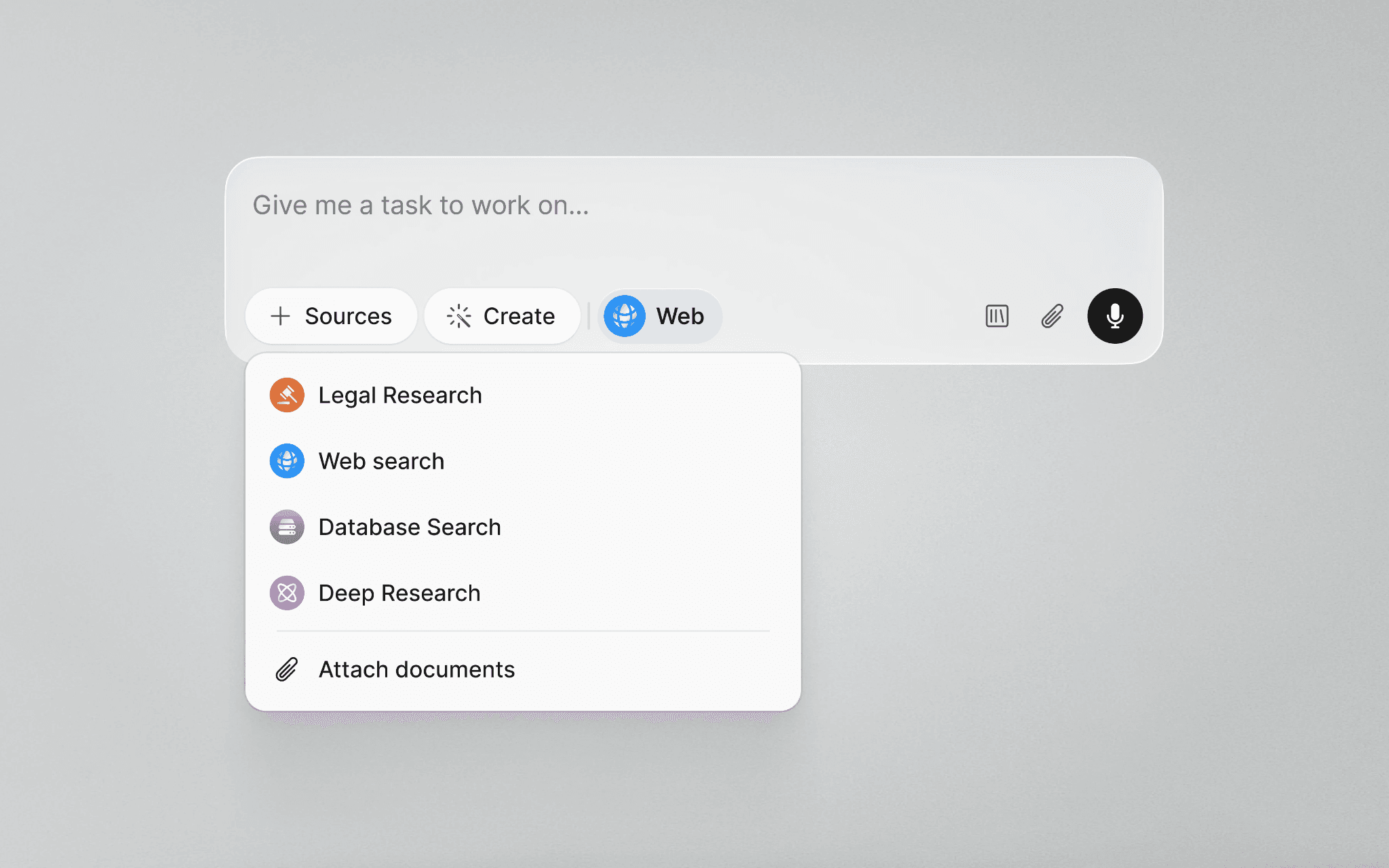
Tabular Review is the differentiated piece. Documents are organised into a structured grid so a reviewer can compare the same clause or data point across many files at once, which suits diligence and portfolio work.
The limitation reviewers raise is research accuracy. One describes the drafting capability as strong while noting that research is less accurate and tends to agree with the user rather than offer a contradictory view where one exists.
Harvey
Harvey's Assistant covers research, drafting and contract review, and Vault handles review at a scale the other two do not target. Reviewers describe flagged clauses and risk points returned quickly, with follow-up questions handled in the same session.
Depth on legal research is where Harvey's law-firm heritage shows. Reviewers describe analysing and synthesising large volumes of legal documents including case law and diligence material with domain-specific precision.
Two limitations recur. Accuracy and consistency on highly complex or industry-specific documents draws repeated comment, and several reviewers raise hallucination risk directly, with one describing difficulty trusting output that looks almost right until it invents something fundamental.
LEGALFLY
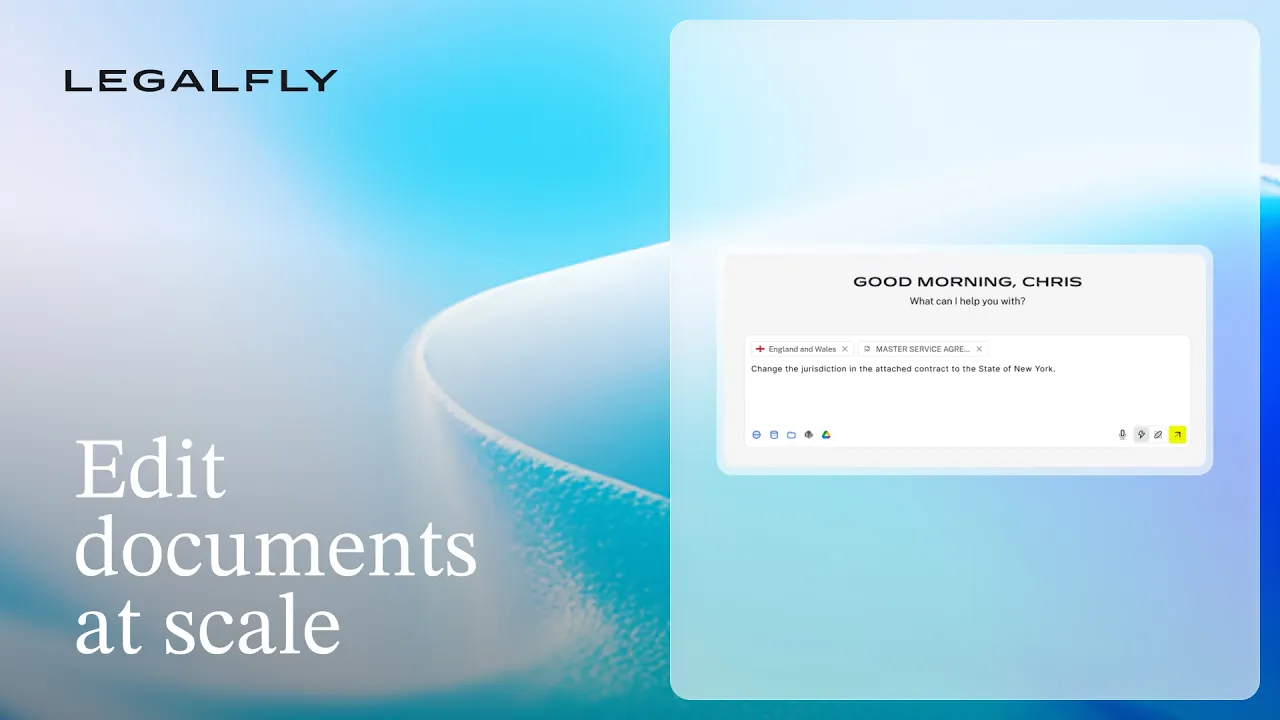
LEGALFLY covers the same ground through Review, Drafting and Discovery. AI contract review applies your approved positions and fallbacks to every clause, produces tracked-change redlines and explains each flagged clause with its reasoning and source.
The difference is what the analysis is measured against. Review runs against your own playbooks rather than a general standard, with 120+ lawyer-built playbooks across 100+ document types available from day one and a builder that generates a custom playbook from your own signed contracts in around two minutes.
Research through AI for legal research is grounded in 600+ official legal sources across 130+ jurisdictions, with citations and auditable reasoning on every answer. AI contract drafting turns any contract into a governed template, preserving structure and formatting.
🏆 Winner
Tie. All three do the core legal work well, and reviewers of all three report real time savings on document-heavy tasks.
Legora is strongest on comparative review through Tabular Review, Harvey on research depth and review at very large scale, and LEGALFLY on review governed by your own standard rather than a general one.
LEGALFLY helps your team move faster: less time buried in contracts, more time on the work that actually matters. Book a call to see it in action.
Workflow Automation and Agents
Legora
Legora offers a feature called Workflows, which chains multi-step tasks for an individual user: reviewing a document, researching similar examples, then drafting a summary of the findings. It is useful sequencing inside one person's work.
What Workflows does not do is move work around an organisation. There is no automatic routing between teams, no escalation when a threshold is met and no handoff to the right approver, which is what end-to-end legal automation requires.
Reviewers ask for more here specifically. The most consistent request across the review base is more customisation to fit diverse legal workflows, which points at the same gap.
Harvey
Harvey has moved further into workflows, with an agent builder and workflow capability that can be applied inside a vault. On paper this is the closest of the two to multi-step automation.
Reviewers report it is not yet settled. One describes the agent builder and flow as occasionally buggy when implementing workflows into a vault, and another asks for more customisation for different workflows alongside better integration with systems such as ERP and project management tools.
LEGALFLY
Legal workflow automation through Agent Studio is the centre of the product rather than an addition to it. Workflows trigger automatically from email, Slack, Teams or manually, wherever a legal request arrives.
From there, conditional logic routes work, triggers follow-ups and escalates when thresholds are met. Approval and review steps sit wherever a decision is needed, and the right person is notified automatically, whether that is legal, sales, procurement or anyone else involved.
The chains are concrete rather than theoretical. A vendor contract arrives, the Review agent checks it against standard playbooks, risks route to legal and an email summary goes back to procurement. An NDA request is triaged, drafted or reviewed against the NDA playbook, approved and returned to the requester.

🏆 Winner
LEGALFLY, and by the widest margin in this comparison.
Agent Studio automates the workflow and the tasks inside it, built around the organisation's own logic, playbooks and approval flows. Harvey has the capability but its reviewers describe it as unfinished, and Legora's reviewers are asking for it.
To find out how LEGALFLY could work for you, schedule a call with one of our experts.
Security, Anonymisation and Data Handling
Legora
Legora covers the standard expectations for enterprise legal software, with data protection listed among its capabilities on Capterra, including encryption, access controls and privacy compliance.
What it does not do is separate the document from its identifiable content before analysis. The document as uploaded is what gets processed, which is the normal model across the category.
Harvey
Harvey serves large firms and enterprises with the security posture that implies, and its integration list includes NetDocuments alongside Microsoft Word for teams with document management requirements.
The same structural point applies. Analysis runs on the document as provided, so organisations that cannot let identifiable data reach a third-party model at all are constrained by architecture rather than by policy.
LEGALFLY
Anonymisation runs before analysis begins, at import rather than as a configurable setting. Names, roles, company details and identifiers are pseudonymised while context and structure remain intact, across text, images and handwritten notes.
That ordering is the product of an architectural decision taken before the current generation of models existed, which is why it cannot be retrofitted by a competitor as a feature release. It is a claim we make ourselves and one to test in a demo: the only legal AI that anonymises documents before analysis begins.
Deployment follows the same logic. SaaS, single tenant in the customer's preferred Azure region, or single tenant with on-premise anonymisation where sensitive data never leaves in identifiable form, with ISO 27001, SOC 2 Type II, GDPR alignment and annual independent penetration testing.

🏆 Winner
LEGALFLY. Pre-analysis anonymisation plus on-premise deployment options answer the security review that stops other AI tools in regulated environments, and neither competitor offers the same ordering.
To find out how LEGALFLY could work for you, schedule a call with one of our experts.
Contract Lifecycle Coverage
Legora
Legora works on contracts as documents to be drafted, reviewed and compared. What it does not carry is the contract's life after signature.
There is no obligation monitoring, renewal tracking or notice period alerting in the product, because that is not what it was built to do.
Harvey
Harvey goes further than Legora here, with a contract intelligence feature of its own. It tracks the status of contracts before signature, so a team can see where agreements sit during negotiation and approval.
Coverage stops at signature. Renewals, expirations, notice periods and obligations buried in signed agreements remain outside the product's scope, and Vault stores and analyses documents rather than monitoring them over time.
LEGALFLY
Contract intelligence covers the full lifecycle, from drafting and negotiation through approval and e-signature to renewals, expirations, notice periods, obligations and key dates.
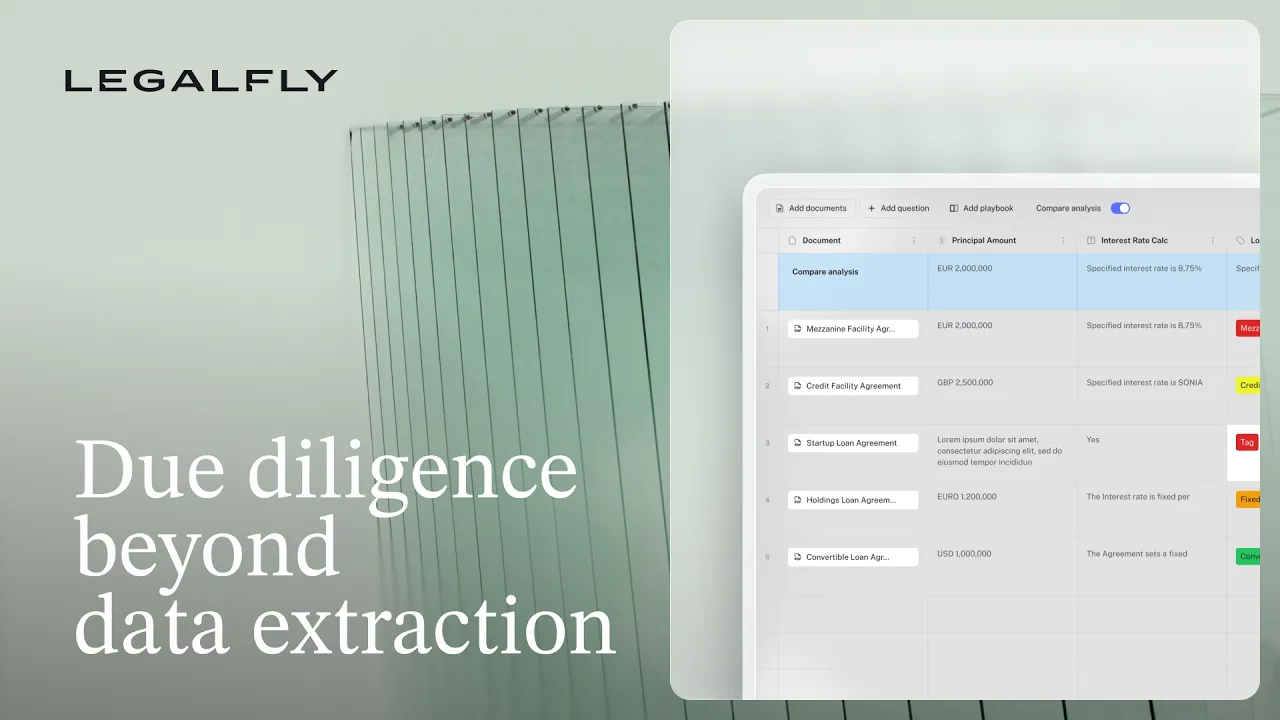
Alongside it, Multi Review ingests entire data rooms and applies one playbook across hundreds of documents at once, and regulatory tracking software through Legal Radar monitors 130+ jurisdictions and tests each regulatory change against the customer's own contracts and policies.
🏆 Winner
LEGALFLY, and it is the clearest gap in this comparison. Contract Intelligence covers both sides of signature, from negotiation and approval through to renewals, notice periods and obligations, so a contract is acted on rather than only stored.
Legora offers no lifecycle coverage, and Harvey's contract intelligence feature stops at signature, tracking status before a contract is signed but not the renewals and obligations that follow. For a team carrying a contract portfolio, that is the difference between knowing what is coming up and finding out when a renewal has already passed.
Most teams using LEGALFLY cut their contract review time in half within a few weeks of onboarding. Book a short demo to see how it works for your business.
Integrations and Ecosystem
Legora
Legora's G2 profile lists three integrations, covering Google Workspace and Microsoft PowerPoint among them. Deployment spans web, Android and iPhone or iPad, so mobile access is available where the other two vary.
For a legal team working primarily inside the product, that is sufficient. For one whose work arrives through Outlook, Teams and SharePoint, it means moving documents to the tool rather than the tool reaching the work.
Harvey
Harvey's G2 profile lists two integrations: Microsoft Word and NetDocuments. Reviewers describe the Word and Outlook connection as solid, and the document management integration matters for firms running NetDocuments.
The requests are specific and consistent. One reviewer wants their own document management system connected, another asks for ERP and project management integration, and a third asks for native Dropbox support. A reviewer in information technology describes the Microsoft integrations as helpful while finding the product unsuited to smaller use cases.
LEGALFLY
Integrations cover Microsoft Word, SharePoint, Outlook, Microsoft Teams, Google Drive, Slack, NetDocuments and Microsoft Copilot, with automatic anonymisation applied in each. Reviews can be launched from a Teams or Slack attachment, and questions answered against an email or document without leaving the inbox.
The point that matters more than the list is direction. Because Agent Studio triggers from email, Slack and Teams, work reaches the platform without anyone opening it, which is a different relationship from an integration that helps a person get to the tool faster.
We would not lead a buying decision on integration breadth, since every serious competitor in this category has Microsoft 365 coverage and it has become table stakes. It belongs in an evaluation as a check on adoption, not as a differentiator.

🏆 Winner
LEGALFLY. Eight named integrations against two and three, each carrying anonymisation, and workflows that trigger from the tools teams already work in rather than waiting to be opened.
To find out how LEGALFLY could work for you, schedule a call with one of our experts.
Customer Support and Resources
Legora
Capterra lists email and help desk support, a knowledge base, 24/7 live representative access and chat, with no phone support or FAQ forum. Training covers live online sessions, webinars and documentation, without in-person or video options.
Reviewers describe the initial setup as straightforward and the transition into daily work as practical, which suggests onboarding load is genuinely light.
Harvey
Capterra lists the same support channels as Legora, with video training added to the mix. The review base tells a more mixed story about getting started.
One reviewer describes a challenging onboarding process and asks for a better interactive tour for associates. Another says the product takes learning and training to grasp. A third describes the tool as oversold during the sales process relative to what arrived.
LEGALFLY
Onboarding is fast by design, and the published evidence supports it. Agristo saw results within days of a single kickoff, and Adeera describes a short onboarding.
The AI Playbook Builder is the practical reason. A custom playbook generated from your own golden contracts in around two minutes removes the configuration project that usually sits between purchase and first value, and 120+ lawyer-built playbooks are usable from day one.
Capterra reviewers rate customer service 4.7 out of 5. One notes an initial learning curve while the workflow beds in, which is a fair description of any product that changes how a team works rather than one that speeds up a single task.
🏆 Winner
Legora, narrowly, on the strength of consistent reviewer comment about a straightforward start. LEGALFLY is close behind on deployment speed and playbook availability, and Harvey trails on the evidence of its own reviewers.
Ease of Use
Legora
Ease of use is Legora's strongest suit and its reviewers are unanimous about it. They describe an intuitive interface, a straightforward initial setup and a practical transition into day-to-day work.
The one structural complaint is access rather than usability. A reviewer notes that only registered law firms can use it, which is a constraint on who gets to try it rather than on how easy it is once inside.
Harvey
Harvey's reviewers split on this. Several describe a clean, easy interface that is fast to navigate, while others report onboarding that takes real training and an interface that would benefit from improvement.
Specific friction points come up repeatedly: latency on the Vault function, formatting of certain reports coming out oddly, and limited flexibility in how outputs are structured to match a team's own templates.
LEGALFLY
LEGALFLY tends to win trials on usability and configurability, which is where buyers evaluating several products at once make their decision. The product runs inside Word, Outlook, Teams and Slack, so much of the daily experience happens in applications the team already knows.
Capterra reviewers note an initial learning curve while the workflow beds in, which is fair for any product that changes how work moves rather than speeding up one task. The setup itself is short: the AI Playbook Builder generates a custom playbook from your own golden contracts in around two minutes, and 120+ lawyer-built playbooks are usable from day one.
🏆 Winner
Legora. Its reviewers are more consistent on this point than either competitor's, and consistency across a review base is a better signal than any individual account.
Legora vs Harvey vs LEGALFLY: The Verdict, Feature by Feature
Feature / Criteria | Legora | Harvey | LEGALFLY | Verdict |
Core legal work | ⭐⭐⭐⭐ | ⭐⭐⭐⭐ | ⭐⭐⭐⭐ | Tie, all three handle research, drafting and review well |
Comparative document review | ⭐⭐⭐⭐⭐ | ⭐⭐⭐⭐ | ⭐⭐⭐⭐ | Legora, Tabular Review is purpose-built for it |
Large-scale review | ⭐⭐⭐ | ⭐⭐⭐⭐⭐ | ⭐⭐⭐⭐ | Harvey, Vault handles volumes the others do not target |
Research accuracy | ⭐⭐⭐ | ⭐⭐⭐⭐ | ⭐⭐⭐⭐ | Harvey, though its own reviewers raise hallucination risk |
Workflow automation | ⭐⭐⭐ | ⭐⭐⭐ | ⭐⭐⭐⭐⭐ | LEGALFLY, Agent Studio automates the workflow and the tasks inside it |
Security and data handling | ⭐⭐⭐ | ⭐⭐⭐ | ⭐⭐⭐⭐⭐ | LEGALFLY, anonymisation applied before analysis begins |
Contract lifecycle coverage | ⭐⭐ | ⭐⭐ | ⭐⭐⭐⭐ | LEGALFLY, the only one covering post-signature, launching October 2026 |
Playbook enforcement | ⭐⭐⭐ | ⭐⭐⭐ | ⭐⭐⭐⭐⭐ | LEGALFLY, 120+ playbooks and a two-minute builder |
Regulatory monitoring | ⭐ | ⭐ | ⭐⭐⭐⭐⭐ | LEGALFLY, Legal Radar across 130+ jurisdictions |
Integrations | ⭐⭐⭐ | ⭐⭐⭐ | ⭐⭐⭐⭐⭐ | LEGALFLY, eight named integrations each with anonymisation |
Ease of use | ⭐⭐⭐⭐⭐ | ⭐⭐⭐ | ⭐⭐⭐⭐ | Legora, the most consistent reviewer comment of the three |
Onboarding and support | ⭐⭐⭐⭐ | ⭐⭐⭐ | ⭐⭐⭐⭐ | Legora, narrowly, on straightforward setup |
Non-legal team adoption | ⭐⭐ | ⭐⭐ | ⭐⭐⭐⭐⭐ | LEGALFLY, built for procurement, sales, HR and claims |
Review base size | ⭐⭐⭐ | ⭐⭐⭐⭐ | ⭐⭐ | Harvey, 28 G2 reviews against 18 and 3 |
Final Verdict: Which Should You Choose?
Choose Legora If:
Your team's core job is reviewing and comparing documents, and Tabular Review's structured grid matches how you already work
Ease of adoption is the deciding factor, and you want a product your team is using properly within days rather than weeks
You are a law firm or a legal team working primarily inside one interface rather than fielding requests from across a business
Your evaluation weights interface quality heavily, since this is the point Legora's reviewers agree on most consistently
Choose Harvey If:
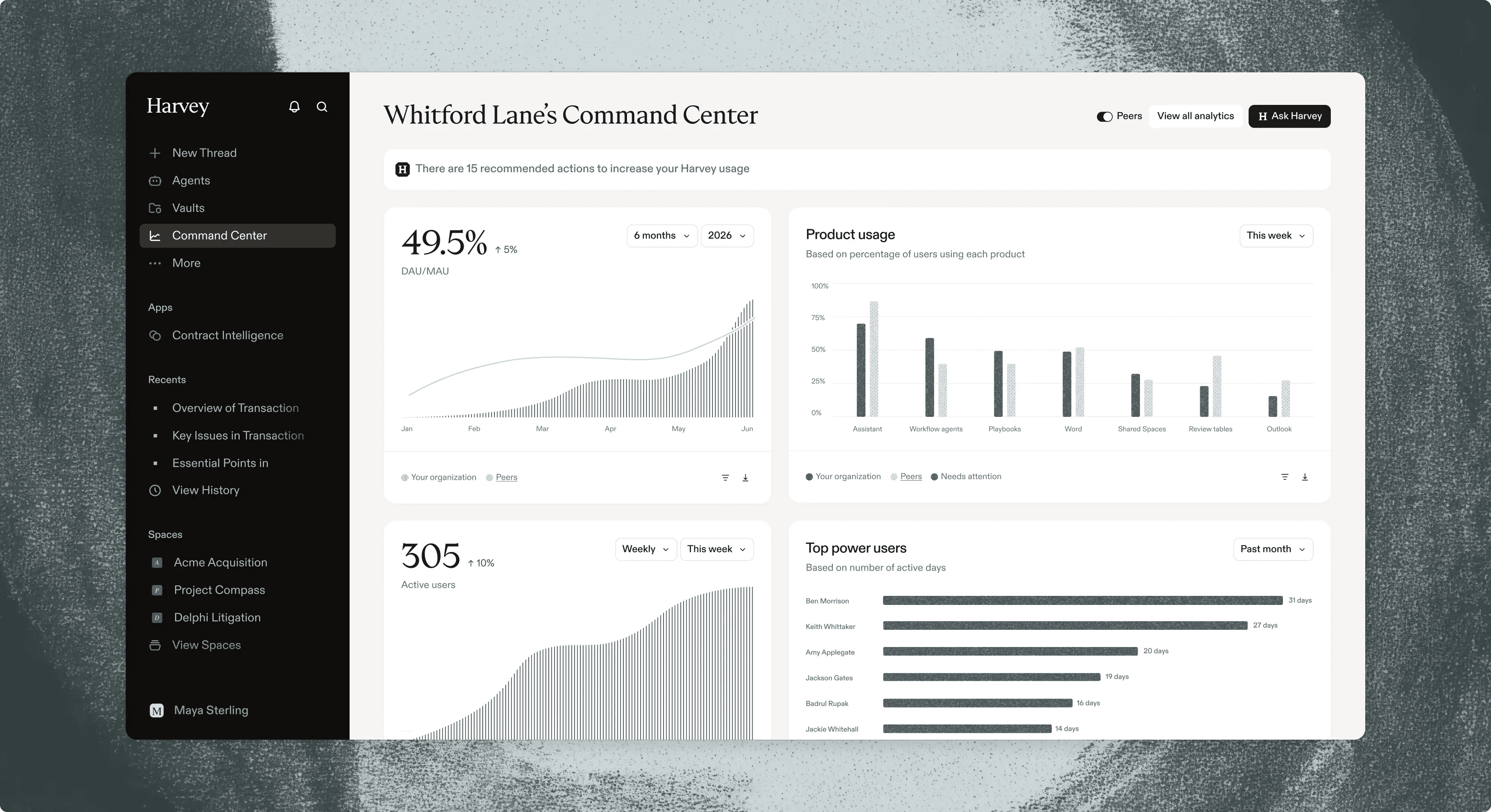
You need document review at genuinely large scale, where one reviewer describes handling up to 100,000 documents or 100 GB in a single pass
Legal research depth and precedent work are central to the role rather than adjacent to it
Brand weight matters to your internal approval process, since Harvey carries the most recognition in the category
You want the largest verified review base of the three to inform the decision
Choose LEGALFLY If:
You are an in-house legal, compliance or procurement team of 3 to 200 people inside an enterprise of 200 to 100,000 employees
The bottleneck is the volume of requests moving through a small team, not the speed of any individual document
Your security review has already stopped one AI tool, and identifiable data cannot reach a third-party model at all
Procurement, sales, HR and claims need to self-serve on standard work inside rules legal wrote once
You operate across several jurisdictions and need regulatory change tested against your own contracts and policies
You want the contract's life after signature covered rather than only its creation
To find out how LEGALFLY could work for you, schedule a call with one of our experts.
FAQs About Legora vs Harvey vs LEGALFLY
What is the main difference between Legora and Harvey?
The main difference between Legora and Harvey is scope and scale rather than category. Both are law-firm-first AI workspaces covering research, drafting and document review, but Legora concentrates on a clean workspace with Tabular Review for comparing documents side by side, while Harvey adds Vault for review at very large volumes, with one reviewer describing up to 100,000 documents in a single pass. Legora's reviewers are more consistent on interface quality and straightforward setup. Harvey's reviewers report stronger research depth alongside recurring concerns about hallucination risk and onboarding.
Which is better: Legora or Harvey?
Legora is better for teams prioritising interface quality, fast adoption and comparative document review, and Harvey is better for research depth and large-scale document analysis. Harvey holds 4.3 out of 5 across 28 G2 reviews against Legora's 4.2 across 18, which is close enough that the ratings should not decide it. For in-house legal teams specifically, neither is the strongest fit, because both were built around law-firm workflows rather than routing requests from procurement, sales and compliance. That is the gap LEGALFLY was built for.
What is Legora better for?
Legora is better for comparative document review and for teams where ease of adoption carries the most weight. Tabular Review organises documents into a structured grid so the same clause or data point can be compared across many files at once, which suits diligence and portfolio work. Reviewers consistently describe an intuitive interface and a straightforward initial setup, more consistently than either competitor's review base. The trade-off they name is research accuracy, with one reviewer noting it tends to agree with the user rather than offer a contradictory view.
What is Harvey better for?
Harvey is better for large-scale document review and for legal research depth. Vault is the differentiated capability, with one reviewer describing review of up to 100,000 documents or 100 GB of data, a scale neither competitor targets. It also carries the strongest brand recognition in the category and the largest verified review base of the three. The recurring criticisms are hallucination risk, accuracy on industry-specific documents, and an onboarding process several reviewers describe as requiring real training.
Which integrates better with Microsoft Word and Teams?
LEGALFLY integrates more broadly, with Microsoft Word, SharePoint, Outlook, Teams, Google Drive, Slack, NetDocuments and Microsoft Copilot, each carrying automatic anonymisation. Harvey's G2 profile lists two integrations, Word and NetDocuments, and reviewers describe the Word and Outlook connection as solid while asking for document management, ERP and Dropbox support. Legora's profile lists three, including Google Workspace and PowerPoint. Microsoft 365 coverage is table stakes across this category, so the more useful question is whether work can reach the tool automatically, which Agent Studio does by triggering from email, Slack and Teams.
How does LEGALFLY compare to Legora and Harvey for in-house legal teams?
LEGALFLY is built for in-house legal teams while Legora and Harvey were built for law firms and adapted towards in-house work. Most Legora vs Harvey legal AI comparisons stop at those two, and the difference shows in what each automates: both make the lawyer faster at a task, while LEGALFLY runs the whole workflow from intake through review, routing and escalation to approval. It also covers ground neither competitor attempts, including regulatory monitoring across 130+ jurisdictions tested against your own contracts, and Contract Intelligence for the contract's life after signature. Documents are anonymised before analysis begins, which is what clears security reviews in regulated environments.
Is LEGALFLY secure enough if Legora and Harvey already passed our security review?
LEGALFLY applies anonymisation before analysis begins, which is a stricter position than either competitor takes rather than an equivalent one. Names, roles, company details and identifiers are pseudonymised at import, so identifiable data never reaches a third-party model, and deployment runs from SaaS to single tenant in your preferred Azure region or single tenant with on-premise anonymisation. Security follows a framework aligned with ISO 27001, SOC 2 Type II and GDPR, with annual independent penetration testing. If your security team approved a tool that processes documents as provided, this architecture answers a question they did not get to ask.
Disclaimer: This comparison reflects publicly available product information and verified user reviews as of September 2026. Legal AI products change quickly, so for the most up-to-date details on features, integrations and availability, please check directly with each provider.

